
In the first quarter of 2026, the median home in the Lisbon municipality sold for €5,292 per square metre. Across Greater Lisbon, the wider region around the capital, the median was €3,836 per square metre. If you want to understand Lisbon property prices this year, those two figures are the anchor, and the gap between them explains most of how the market works.
Every number in this article comes from one source: the Estatísticas de Preços da Habitação ao nível local published by Portugal’s national statistics office, INE, for the first quarter of 2026 (released on 17 July 2026). These are median prices from completed sales, drawn from tax records, not asking prices from listings. Asking prices tend to run higher, so what follows reflects what buyers paid, not what sellers hoped for.
Key takeaways
- The median home in the Lisbon municipality cost €5,292 per square metre in the first quarter of 2026.
- Across Greater Lisbon the median was €3,836 per square metre, 20.5% higher than a year earlier.
- Buyers with tax residence abroad paid a median €6,325 per square metre in Lisbon over the year to March 2026.
- Prices rose as sales fell: home transactions across Portugal dropped 10.5% year on year.
How much does property cost in Lisbon in 2026?
The median price in the Lisbon municipality was €5,292 per square metre in the first quarter of 2026, more than double the national median of €2,337. Greater Lisbon, which takes in the capital and eight surrounding municipalities, sat at €3,836 per square metre. Two neighbours followed close behind the city: Cascais at €5,000 and Oeiras at €4,511.
To put a real number on it, a 90 square metre apartment at the Lisbon municipal median would cost around €476,000 before purchase taxes and fees. The same size home at the Greater Lisbon median would be closer to €345,000. Where in the region you buy can change the figure by well over €100,000 for identical floor area.
| Area | Median €/m², Q1 2026 |
| Portugal (national median) | €2,337 |
| Greater Lisbon | €3,836 |
| Lisbon (municipality) | €5,292 |
| Cascais | €5,000 |
| Oeiras | €4,511 |
| Algarve (for comparison) | €3,352 |
| Porto Metropolitan Area | €2,552 |
Which Lisbon areas cost the most?
The most expensive parts of the city are its central and northern parishes. Over the 12 months to March 2026, the priciest was Santo António at €6,986 per square metre, the area that runs along Avenida da Liberdade and up into part of Príncipe Real. Parque das Nações followed at €6,407 and Avenidas Novas at €6,000. All three sit above the Lisbon municipal median of €5,082 for the same 12-month period.
Not everywhere in the city is priced at that level. Established residential parishes offer lower entry points: Lumiar at €4,670, Benfica at €4,631, Penha de França at €4,465 and Olivais at €4,296. New-build stock carries a clear premium. Across Lisbon, newly built homes had a median of €6,226 per square metre against €4,896 for existing ones, a difference of €1,330.
| Lisbon parish | Median €/m², 12 months to Mar 2026 |
| Santo António | €6,986 |
| Parque das Nações | €6,407 |
| Avenidas Novas | €6,000 |
| Lisbon municipal median | €5,082 |
| Lumiar | €4,670 |
| Benfica | €4,631 |
| Penha de França | €4,465 |
| Olivais | €4,296 |
Why do foreign buyers pay more?
Buyers with a tax residence outside Portugal consistently pay more, because their purchases cluster in the most expensive central areas and price brackets. In Lisbon over the year to March 2026, non-resident buyers paid a median €6,325 per square metre, compared with €5,000 for buyers resident in Portugal. Across Greater Lisbon as a whole, the median paid by foreign-resident buyers was 34.5% higher than the median paid by domestic buyers.
Part of that gap reflects the kind of property international buyers look for: central, renovated, often new-build. Part of it reflects a weaker negotiating position. A buyer working from another country, without local price data and without an agent who represents only them, has less to push back with. Independent, buyer-side representation exists to close that gap, by grounding an offer in what comparable homes have actually sold for and negotiating on the buyer’s behalf alone.
What about Cascais and Estoril?
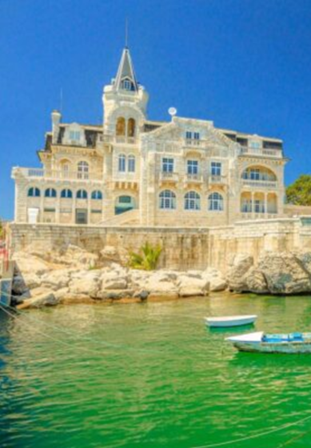
Cascais, the coastal municipality that includes Estoril, is among the most expensive markets in the country. Its median was €5,000 per square metre in the first quarter of 2026, just behind Lisbon and ahead of every other municipality with more than 100,000 residents. New-build prices in Cascais were a little higher again, at a median €5,027 per square metre over the year to March 2026.
The single municipal figure hides real variation. Cascais covers everything from the town centre and the Estoril seafront to quieter inland areas, and prices differ widely between them. INE reports the municipality as a whole rather than each neighbourhood, so a buyer looking at a specific pocket such as Quinta da Marinha or central Estoril should treat the €5,000 median as a starting reference, not a ceiling.
Are Lisbon prices still rising?
Yes. In the first quarter of 2026, the national median rose 19.8% against the same quarter a year earlier, and Greater Lisbon rose 20.5%. That was faster than the 17.5% national growth recorded in the previous quarter, so the pace picked up rather than eased.
At the same time, fewer homes changed hands. Transactions across Portugal fell 10.5% year on year, after a 5.3% drop the quarter before. Prices climbing while sales slow usually points to tight supply: steady demand chasing a limited number of available homes. For a buyer, that combination means less room to wait for a better price and more reason to move carefully when the right property appears.
What this means if you’re buying now
For anyone buying in 2026, three points matter. First, work from completed-sale data, not listing prices, because the two can differ by a wide margin. Second, budget beyond the purchase price: transfer tax (IMT, Portugal’s property transfer tax), stamp duty and legal costs typically add somewhere in the region of 8% to 10% on top, though the treatment of non-resident buyers has been under reform and should be confirmed with a lawyer for your own case. Third, expect to pay a premium as a foreign buyer unless you close the information gap that creates it.
None of this makes Lisbon a poor place to buy. It makes it a market where preparation pays. Knowing the median for your target area, understanding why non-residents pay more, and having someone negotiate for you alone are the practical ways to buy well while prices are still climbing.
Frequently asked questions
How much does a house cost in Lisbon in 2026?
In the first quarter of 2026, the median home in the Lisbon municipality cost €5,292 per square metre, and €3,836 across Greater Lisbon. A 90 square metre apartment at the city median would therefore cost around €476,000 before purchase taxes and fees, though prices vary widely from one parish to another.
Are property prices in Lisbon still rising?
Yes. In the first quarter of 2026, prices in Greater Lisbon rose 20.5% compared with the same quarter a year earlier, and the national median rose 19.8%. That was slightly faster than the previous quarter, even though the number of homes sold across Portugal fell by 10.5% over the same period.
Why do foreign buyers pay more for property in Lisbon?
Non-resident purchases concentrate in the most expensive central areas and in new-build stock. Over the year to March 2026, buyers with tax residence abroad paid a median €6,325 per square metre in Lisbon, against €5,000 for residents. A weaker local negotiating position tends to widen the gap further.
Which is the most expensive area in Lisbon?
Over the 12 months to March 2026, the Santo António parish was the most expensive, at a median €6,986 per square metre. It covers Avenida da Liberdade and part of Príncipe Real. Parque das Nações followed at €6,407 and Avenidas Novas at €6,000, both above the citywide median.
What costs come on top of the purchase price in Lisbon?
Buyers should budget for transfer tax (IMT), stamp duty and legal fees, which together usually add around 8% to 10% above the price. The rules for non-resident buyers have been changing, so confirm the current IMT treatment with a Portuguese lawyer before committing to a purchase.
Buying in Lisbon this year
If you are planning a purchase in Lisbon, Cascais or Parque das Nações and want the numbers for your specific area before you make an offer, book a private consultation with Lisbon Buyer’s Agent. We represent buyers only, so the price we help you settle on is the one that works for you.