
Choosing the best neighbourhoods in Lisbon starts with an honest question: how do you actually want to spend your days here? Lisbon is not one city but a set of very different quarters, each with its own rhythm, and the right one depends far more on your daily life than on any ranking.
Foreign buyers face no restrictions on where they can buy, so the decision is about fit, not eligibility. Someone who wants theatre, cafés and the river a short walk away will land somewhere very different from a family chasing gardens, parking and a good school. What follows is a local read on the areas international buyers ask about most, and the trade-off each one asks you to accept.
Key takeaways
- Central Chiado and Baixa suit walkable, culture-first city living.
- Príncipe Real is the leafy, elegant choice for prime central Lisbon.
- Cascais and Estoril trade a city address for beaches and space.
- Parque das Nações offers flat streets and modern flats, with less old-city character.
- Foreign buyers can purchase in any Lisbon neighbourhood; the choice is lifestyle, not eligibility.
Choosing the best neighbourhoods in Lisbon
The best neighbourhood in Lisbon is the one that matches how you live, not the one with the highest price per square metre. Start with a few practical questions before you fall for a façade.
How much do hills matter to you? Lisbon is built on them, and the oldest quarters are steep and cobbled. I still take the 28 tram two stops up when my legs give up on the Alfama climb, and I have stopped treating that as a failing. Do you want the noise and life of the centre, or quiet residential streets? Are you here full time, or is this a lock-and-leave base you visit a few times a year? Do you need parking, parks and a school run, or a bookshop and a wine bar within walking distance?
Your answers narrow the map quickly. The areas below are the ones that come up most with international buyers, grouped by the kind of life they suit.
Chiado and Baixa: the historic centre
Chiado and Baixa put you in the cultural heart of Lisbon, with theatres, bookshops, cafés and the river within walking distance. Chiado is the elegant uphill side, all grand period buildings and old commerce. Baixa is the flat grid below it, the downtown rebuilt on a strict plan after the 1755 earthquake.
The trade-off is footfall. This is where visitors come first, so streets are busy, some buildings need work, and evenings near the Bairro Alto edge get loud. It suits culture-first residents, lock-and-leave owners, and buyers drawn to scarce period stock. You can read more area detail on the Chiado and Príncipe Real guide.
Príncipe Real: elegant and central
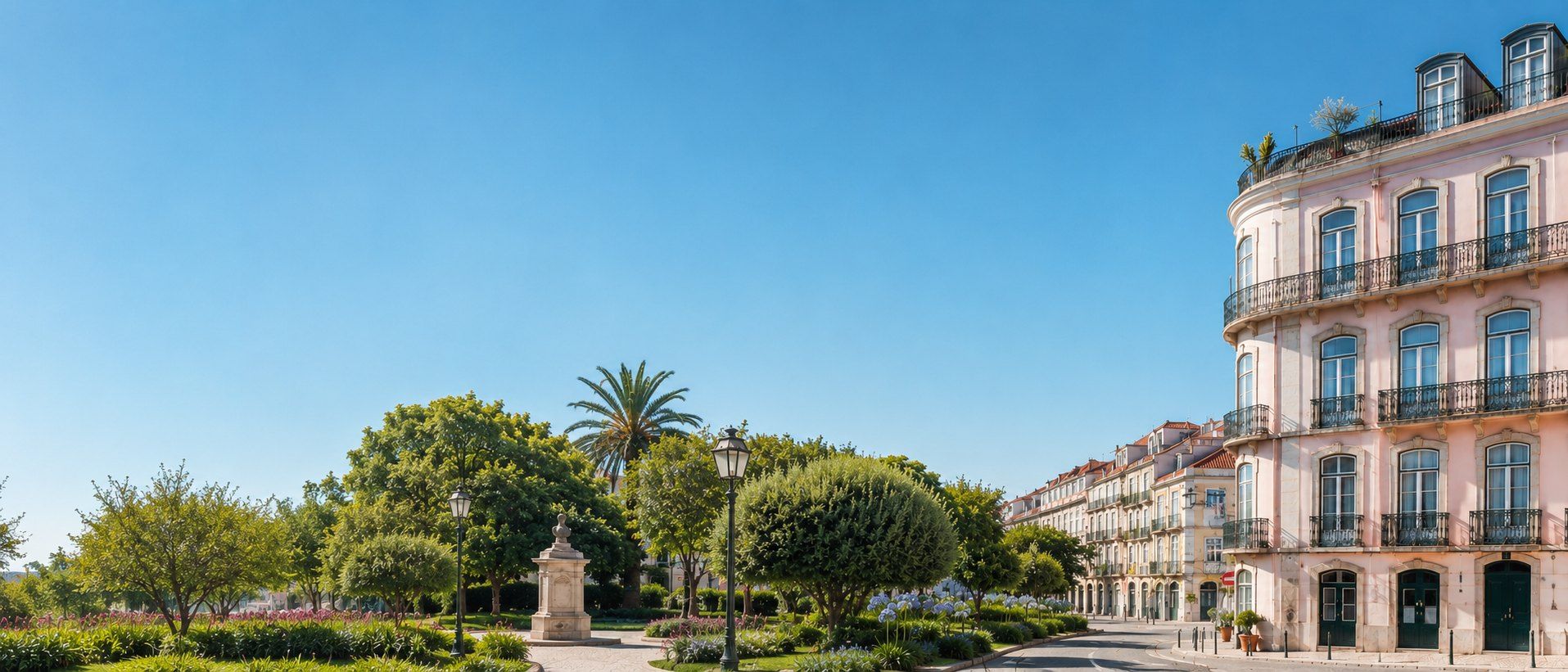
Príncipe Real is the calmer, greener side of central Lisbon, a short walk uphill from Chiado. It is built around a garden square, with a small botanical garden, independent design shops, and some of the city’s best restaurants tucked into 19th-century townhouses.
The area draws a settled international crowd, which makes it an easy landing spot if you want central Lisbon without the full weight of the tourist centre. The honest catches are price and parking: it is one of the most sought-after addresses in the city, and cars are a daily negotiation.
Estrela and Lapa: quiet and green
Estrela and Lapa are Lisbon’s calm, diplomatic quarter, just west of the centre. The Jardim da Estrela park and the white dome of the Basílica da Estrela anchor a district of embassies, quiet streets and long-term residents rather than short-term visitors.
This is where families and buyers who want a private, settled base tend to look. You give up some of the dining and nightlife that sits on your doorstep in Chiado, and in return you get greenery, space and a slower pace within a short ride of the centre.
Avenidas Novas: practical city living
Avenidas Novas is the flatter, grid-planned part of central Lisbon that trades postcard looks for everyday practicality. Wide avenues, early 20th-century buildings, good metro links, the Gulbenkian gardens and plenty of shops make it a working city district rather than a historic set piece.
It suits full-time residents and families who value flat streets, convenience and a bit more space for the money than the historic core. The character is more modern-city than old-Lisbon, which is exactly why some buyers pass on it and others feel instantly at home.
Parque das Nações: modern and flat
Parque das Nações is Lisbon’s modern riverside district: flat, planned and family-friendly. Built for the 1998 world exhibition, it has wide promenades along the Tagus, the Oceanário, a cable car, and newer flats with lifts, parking and river views.
The trade-off is character. It is newer and flatter than the rest of the city, which is precisely why some buyers find it short on old-Lisbon atmosphere and others love how easy daily life is. It suits families and anyone who wants low-maintenance, new-build living. See the Parque das Nações guide for more.
Cascais and Estoril: the coastal option
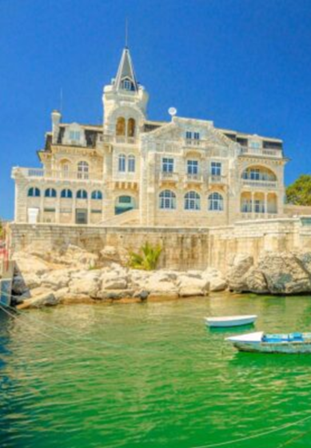
Cascais and Estoril swap a city address for the coast, about 30 minutes west of central Lisbon by train. You get beaches, a marina, golf, international schools and a large established expat community, in what feels like a relaxed seaside town rather than a capital.
The catch is the commute and the summer. Getting into central Lisbon takes real time on busy days, and the beaches fill up from July. It suits families and buyers who want coastal living first and city life second. There is more on the Cascais and Estoril guide.
Alfama and Graça: character over convenience
Alfama and Graça give you the oldest, most atmospheric Lisbon, and the steepest daily reality. These are the postcard quarters of narrow lanes, fado houses, tiled façades and miradouros, the terraced viewpoints where the city looks out over its own rooftops.
The Miradouro da Graça is at its best on a weekday evening in September, once the August crowds thin and the light turns gold over the castle. That atmosphere comes at a price: steep hills, almost no parking, heavy tourist footfall, older buildings, and short-term rentals next door. It suits buyers who want character above convenience and do not mind the stairs.
What Lisbon neighbourhoods cost
Prices vary widely by area, but a citywide figure gives you a starting point. In 2025, the median price of homes sold in Lisbon municipality was around €5,292 per square metre, up 17.6% on the year before, according to Portugal’s national statistics institute, INE. Non-residents paid more on average: about €6,026 per square metre against €4,813 for domestic buyers, roughly a quarter higher. For context, the national median across Portugal was about €2,337 per square metre in the first quarter of 2026.
Within the city, the prime central areas such as Chiado, Príncipe Real and Avenida da Liberdade sit well above the city median, while newer or outer areas can be more accessible. Neighbourhood figures move every quarter, so treat any single number as indicative and check the current data before you make an offer. The fuller breakdown is in our guide to Lisbon property prices in 2026. Purchase taxes and fees sit on top of the price and are a separate calculation from the per-square-metre figures here.
Frequently asked questions
Which Lisbon neighbourhood is best for international buyers?
There is no single best neighbourhood; it depends on how you plan to live. Chiado and Príncipe Real suit walkable, culture-first city living, Cascais and Estoril suit families who want beaches and space, and Parque das Nações suits buyers who want modern, flat, low-maintenance flats. Foreign buyers can purchase anywhere in Lisbon, so the decision is about lifestyle fit.
Where do most international residents live in Lisbon?
International buyers cluster in a handful of areas: Príncipe Real and Chiado in the historic centre, Estrela and Lapa for quieter family living, Parque das Nações for modern flats, and Cascais and Estoril on the coast. Each has an established international community, English is widely spoken, and international schools serve the western suburbs and Parque das Nações in particular.
Is it better to live in central Lisbon or in Cascais?
Central Lisbon suits people who want culture, restaurants and the river within walking distance and do not mind hills and tourists. Cascais suits those who prioritise beaches, space and international schools and accept a train commute of about 30 minutes into the city. Neither is better; it depends on whether your daily life centres on the city or the coast.
Which Lisbon neighbourhoods are best for families?
Families often choose Parque das Nações for its flat streets, parks, newer flats and nearby international school, or Cascais and Estoril for beaches, space and a strong school network. Estrela and Lapa work well for families who want green, quiet streets close to the centre. The central historic areas are livelier but have fewer parks and steeper terrain.
Can foreigners buy property in any neighbourhood in Lisbon?
Yes. Portugal places no restrictions on foreign nationals buying property, and you can purchase in any Lisbon neighbourhood. You will need a Portuguese tax number, called a NIF, which a lawyer can obtain for you remotely. The choice of area is a lifestyle and budget decision, not a question of eligibility.
How current are these Lisbon price figures?
The figures come from Portugal’s national statistics institute, INE. Its most recent housing statistics release covered the first quarter of 2026 and was published on 17 July 2026, with the next release due on 23 October 2026. House prices in Lisbon have been rising quickly, so confirm the latest INE figures before making an offer.
Finding the right fit
Deciding between two neighbourhoods that both look good on paper is where a local, buyer-only perspective earns its keep. If you would like help matching an area to how you actually plan to live, book a private consultation at lisbonba.com/contact.